Sandalwood farming in India can generate ₹50–80 lakhs per acre after maturity (12–15 years) due to its high-value heartwood and oil. But it requires strict government compliance, protection from theft, long-term care, and scientific management.
Dhanveda Farmlands removes the complexity by offering secure, legally compliant, fully managed sandalwood farmland, where experts handle plantation, maintenance, protection, and harvesting—so investors earn high-value returns with zero daily involvement.
Sandalwood farming profit is now a major topic among long-term investors seeking high-value, sustainable and secure agricultural returns in India. With the rising demand for pharmaceutical-grade and cosmetic-grade sandalwood oil, managed sandalwood plantations offer exceptional wealth-building potential.
What Is Sandalwood Farming and Why Is It Profitable?
Sandalwood (Santalum album) is India’s most valuable timber crop, known for:
- High-demand aromatic heartwood
- Premium oil used in cosmetics, perfumes & Ayurveda
- Export value in global fragrance & wellness markets
Why Sandalwood Farming Is Profitable
- World market shortage of pure Indian sandalwood
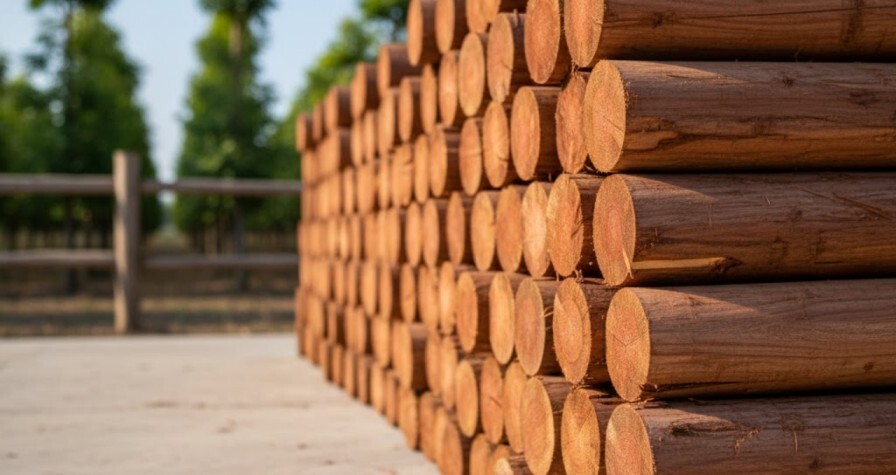
- Heartwood fetches ₹8,000–₹15,000 per kg
- Oil sells for ₹1.2–₹2 lakh per kg
- Tree life cycle yields long-term passive returns
- Suitable for dry to semi-humid regions
When professionally managed, sandalwood farming becomes one of the most lucrative long-term agricultural assets in India.
How to Start Sandalwood Farming: A Different Step-by-Step Breakdown
Step 1: Site Analysis & Legal Readiness
Before planting sandalwood, the most important step is ensuring the land is suitable and legally compliant.
What to check:
- Temperature range supports sandalwood growth (12–38°C)
- Annual rainfall is moderate (600–1,200 mm)
- Soil is well-drained, red/sandy loam, or light alkaline
- Land is eligible for plantation under regional norms
- Perimeter must support fencing and security systems
Why this matters:
Sandalwood farming is regulated, so compliance + correct land = future-proof investment.
Step 2: Scientific Plantation Design & Soil Conditioning
This phase focuses on preparing the land for sustainable sandalwood growth.
Includes:
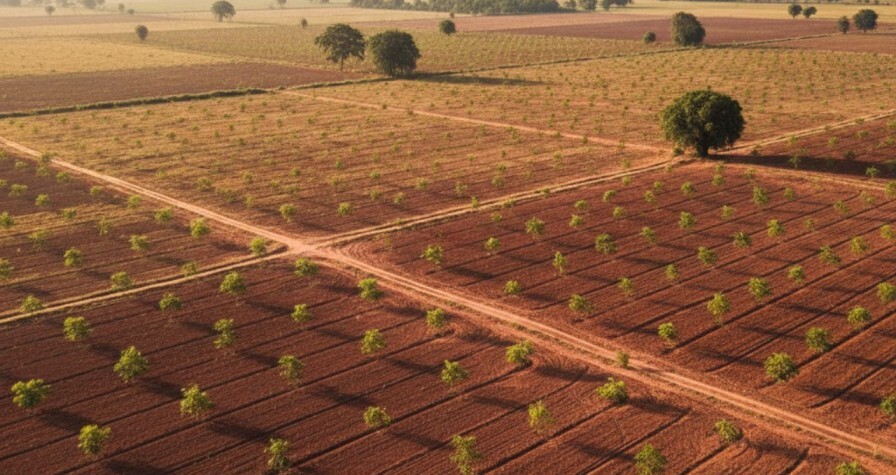
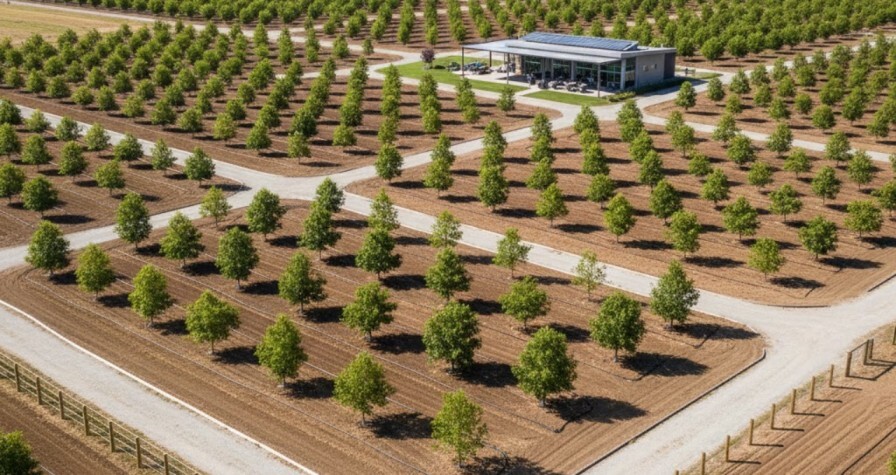
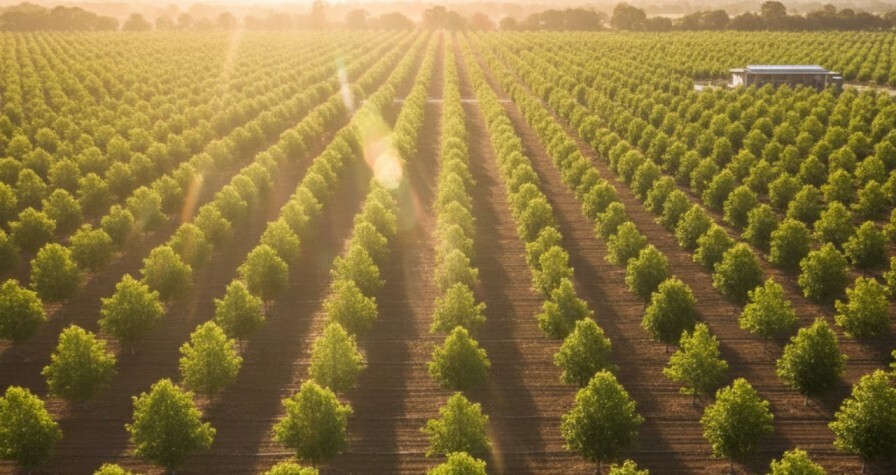
- Designing planting layout for 350–450 trees/acre
- Adding organic matter and micronutrients
- Preparing soil for both sandalwood and its host plants
- Setting up drip irrigation zones
- Planning windbreaks & shade adjustment (if required)
Goal:
Create an optimized soil and microclimate condition for long-term heartwood formation.
Step 3: Planting Sandalwood & Host Species Integration
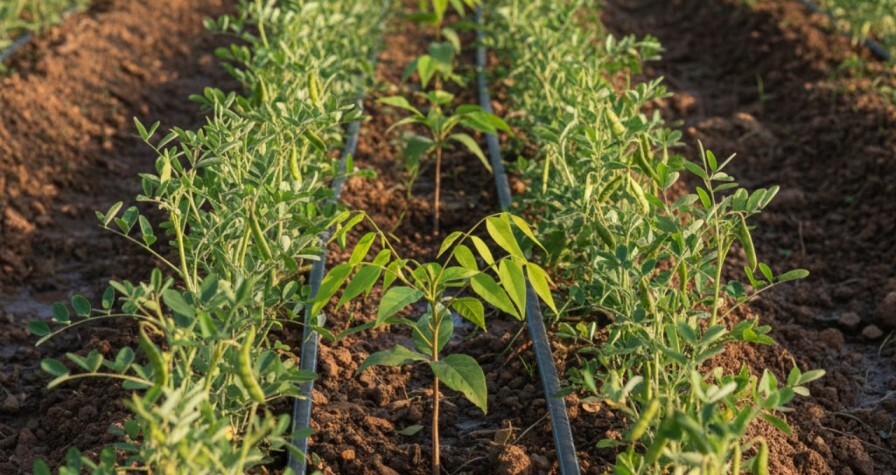
Sandalwood is a semi-root parasitic tree, so proper host pairing is essential.
Critical tasks:
- Planting certified sandalwood saplings
- Supporting them with short-to-long-term host plants
- Short-term hosts: pigeon pea, cowpea
- Long-term hosts: neem, glyricidia, acacia
- Maintaining correct spacing to prevent root competition
Outcome:
Healthy, fast-growing trees with stable heartwood formation.
Step 4: Growth Management & Tree Development Phases
Instead of yearly stages, this method focuses on growth phases:
Phase 1: Early Establishment (0–3 Years)
- Saplings stabilize
- Host plants provide support
- No income generated
Phase 2: Structural Growth (3–7 Years)
- Crown and root system expand
- Heartwood initiates internally
Phase 3: Heartwood Development (7–12 Years)
- Heartwood continuously thickens
- Oil concentration increases
- Value multiplies
Phase 4: Maturity & Harvest Window (12–15+ Years)
- Trees reach commercial quality
- Heartwood (15–25 kg/tree)
- Oil yield 4–6%
Expected value:
₹50–80+ lakhs per acre depending on density, oil %, and market pricing.
Step 5: Security, Health Monitoring & Compliance Management
Sandalwood is high-value—so protection and supervision are mandatory.
This stage includes:
- 24/7 security & fencing
- CCTV surveillance (in managed farmlands)
- Soil and leaf nutrient analysis
- Disease & pest prevention
- Pruning, trimming & root health monitoring
- Government permissions for tree felling
- Verified sale to licensed buyers
Why it matters:
Even a 1–2% theft or pest issue can cause lakhs in losses.
Step 6: Harvesting, Processing & Market Sale
Once trees reach commercial maturity:
Final steps include:
- Applying for harvest permission
- Scientific cutting to maximize heartwood
- Grading of heartwood
- Oil extraction (optional for higher value)
- Selling to approved buyers at premium rates
This step determines the final profit per acre.
The Challenges of Independent Sandalwood Farming
While sandalwood profits are huge, self-management is extremely difficult:
- High theft risk
- Govt. compliance & permits
- Requires trained botanists
- Multi-year monitoring
- Soil & host plant management
- Harvesting needs licenses
For NRIs, busy professionals, or first-time investors, managing these risks independently is nearly impossible.
How Managed Farmland Solves These Challenges
Managed farmland helps investors own sandalwood land without taking any operational burden.
What Managed Sandalwood Farming Includes
- Govt. permissions & compliance
- Scientific plantation design
- Professional farm management
- Full-time security & surveillance
- Growth monitoring & reporting
- Harvesting and market linkage
This model transforms sandalwood farming into a low-stress, high-return investment.
Why Choose Dhanveda Farmlands for Sandalwood Farming?
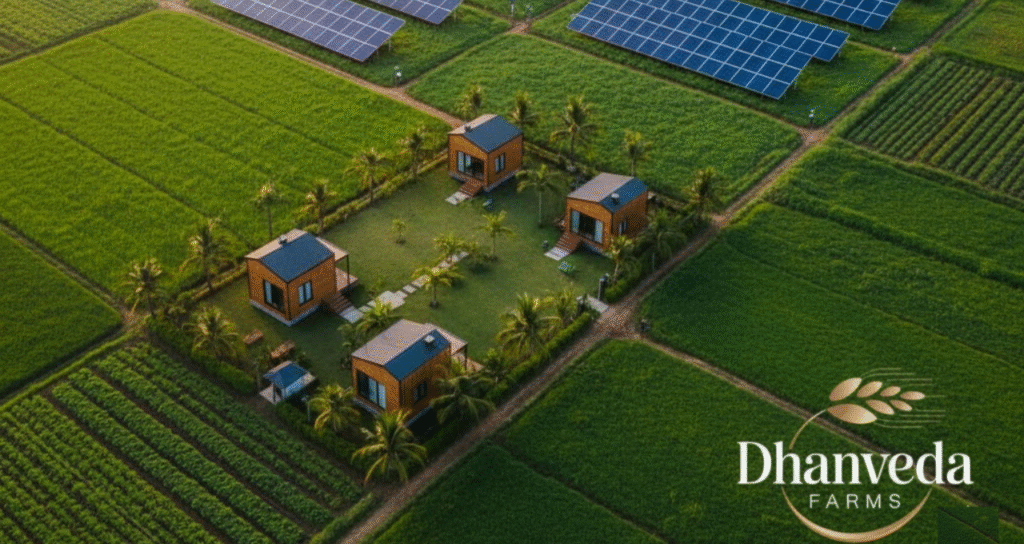
Dhanveda Farmlands offers a secure, fully managed, and legally compliant sandalwood farming ecosystem.
What Dhanveda Handles for You
- Land development and certified plantation
- Drip irrigation and soil health management
- Government compliance & harvesting permissions
- Skilled botanists, agronomists, and supervisors
- 24×7 security, fencing & surveillance
- Growth reporting, inspections, and updates
Beyond Farming: Added Value
- Professionally maintained gated farmland
- Investment-grade documentation
- Land appreciation over 10–15 years
- Access to on-site lifestyle amenities
With Dhanveda, you gain high returns without operational involvement.
Is Sandalwood Farming a Good Investment for You?
Sandalwood farming is ideal if you want:
- High long-term wealth creation
- A secure, appreciating agricultural asset
- Large-value passive income
- Minimal involvement farming
- Premium, future-ready plantation investment
Managed farmland makes sandalwood cultivation accessible to investors across India and abroad.
Sandalwood Farming Profit Made Simple
Sandalwood farming can deliver exceptional long-term wealth—but only if managed professionally with security, compliance, and scientific care.
Dhanveda Farmlands turns this into a safe, simple, and highly profitable investment, combining:
- High-value sandalwood returns
- Agricultural land appreciation
- Zero operational burden
If you want to build long-term wealth through premium plantation farming, managed sandalwood farmland with Dhanveda is the smartest way forward.
Frequently Asked Questions
Is sandalwood farming profitable in India?
Yes. Mature sandalwood plantations can generate ₹50–80 lakhs per acre, depending on heartwood quality and management.
How long does sandalwood take to generate income?
Sandalwood matures in 12–15 years, after which heartwood and oil deliver high-value returns.
Is sandalwood farming legal in India?
Yes. Private sandalwood farming is legal with proper government registrations, compliance, and harvesting permissions.
What are the major risks in sandalwood farming?
Major risks include theft, pests, long maturity cycles, and regulatory compliance—best handled under a managed farmland model.
How does Dhanveda Farmlands manage sandalwood farming?
Dhanveda handles plantation setup, compliance, security, maintenance, scientific monitoring, and harvesting—providing full-service management.