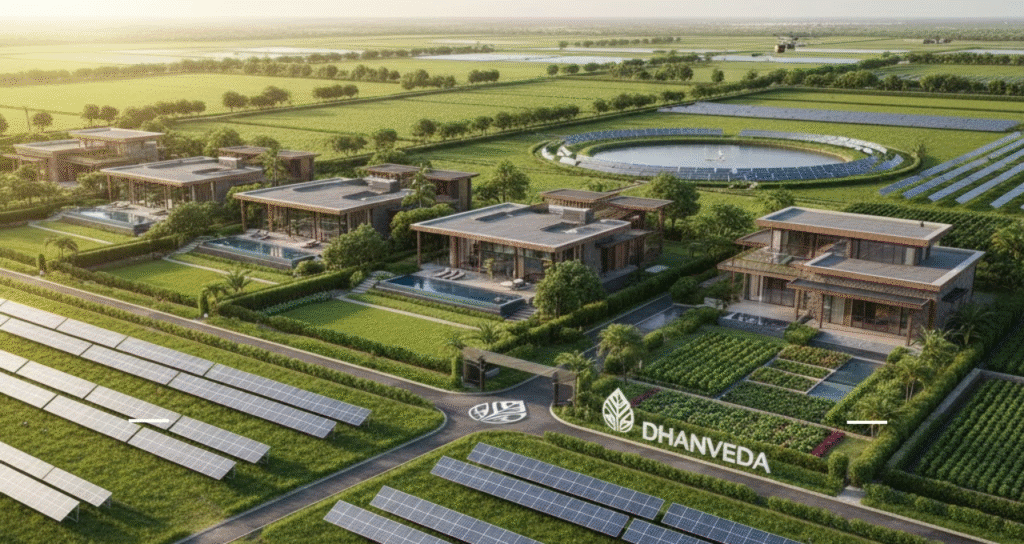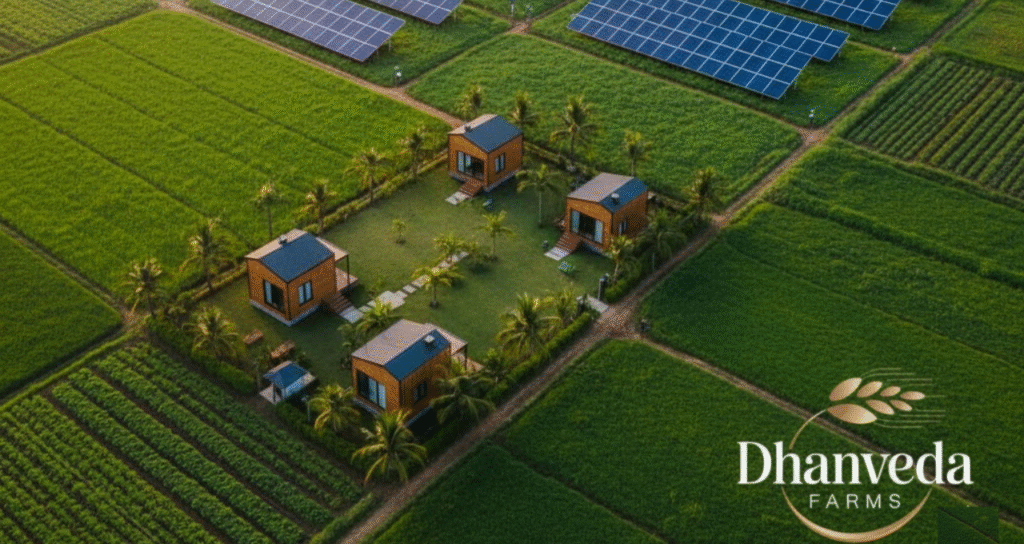
In recent years, Bangalore has become the capital of green living, conscious investing, and sustainable development. With rising awareness about climate change, soil health, and long-term asset security, more investors across the city—from Hebbal, and Sarjapur—are now choosing sustainable farmland as their preferred wealth-building option.
Sustainable farmland in Bangalore is no longer just an agricultural plot. It is a future-proof eco-friendly investment that blends environmental conservation with recurring income and appreciation.
Whether you are a first-time land buyer or someone looking for a long-term natural asset, this comprehensive guide explains why eco-friendly farmland investments around Bangalore are becoming the smartest financial choice for 2025 and beyond.
What Is Sustainable Farmland?
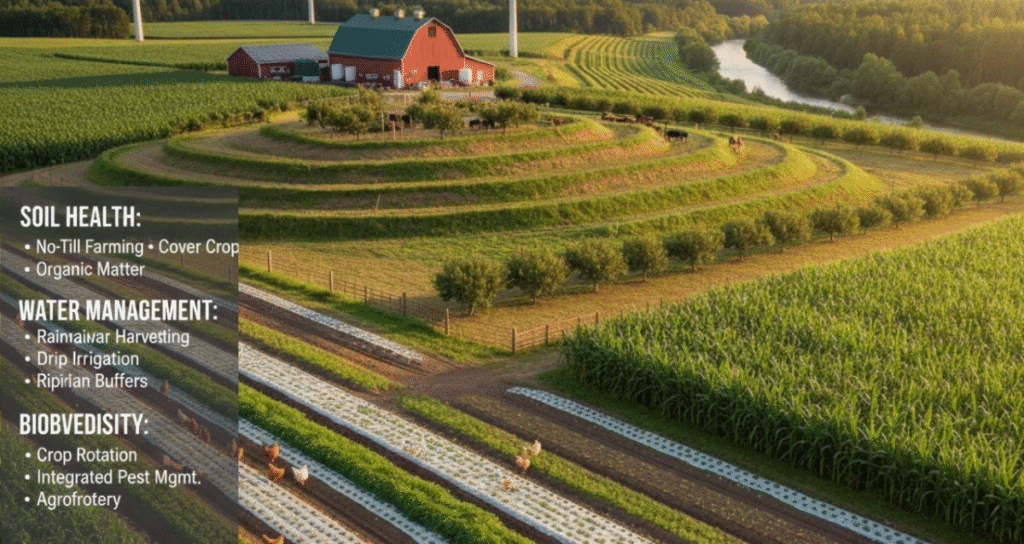
Sustainable farmland refers to agricultural land developed and managed using eco-friendly practices that protect soil, water, biodiversity, and long-term productivity.
In Bangalore, sustainable farmlands often include:
- Organic farming
- Rainwater harvesting
- Soil regeneration
- Native tree plantations
- Solar-powered infrastructure
- Natural ecosystem protection
It provides investors with environmentally responsible ownership while ensuring consistent returns from agriculture, timber, and eco-tourism.
Why Sustainable Farmland Is the Next Big Eco-Friendly Investment in Bangalore
Escape from Urban Saturation
Bangalore’s rapid urbanization has created traffic, pollution, and rising cost of living. Sustainable farmland allows investors to reconnect with nature while still owning a high-growth asset near the city.
Long-Term Asset That Grows Naturally
Unlike apartments that depreciate after 10 – 15 years, farmland appreciates every year, especially around Bangalore’s expanding outskirts—Devanahalli, Kanakapura Road, Chikkaballapur, Ramanagara, Mysore Road, Doddaballapur and others.
Eco-Conscious Buyers Prefer Green Assets
Modern Bangalore investors—IT professionals, entrepreneurs, NRIs—want assets that support:
✔ Environmental protection
✔ Soil health
✔ Sustainable food systems
✔ Climate-positive living
Government Push Towards Sustainable Agriculture
Policies promoting organic cultivation, carbon credits, and regenerative farming boost long-term income potential.
Perfect for Weekend Lifestyle + Passive Income
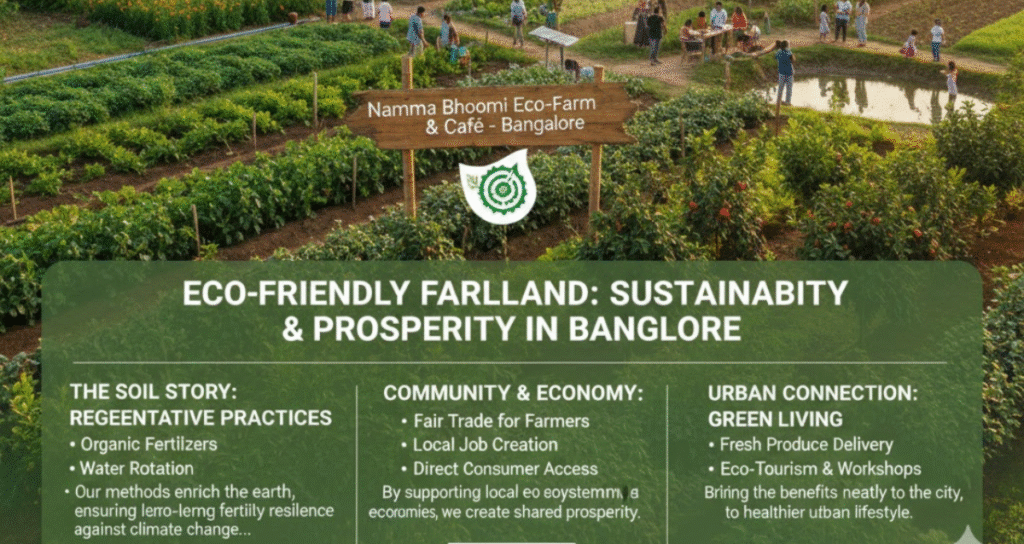
Eco-friendly farmlands near Bangalore often include:
- Farm stays
- Lakes or artificial ponds
- Walking trails
- Native forests
- Recreational zones
This creates dual benefits: personal gateway + financial growth.
How Eco-Friendly Farmland Creates Value in Bangalore (GEO-Optimized)
Bangalore’s climate, accessibility, and soil quality make it ideal for eco-friendly crop cultivation and managed farmland models. Here’s how the ecosystem adds value:
Organic Farming
Areas like Kanakapura, Anekal, Magadi, Channapatna, and Ramanagara are emerging organic farming clusters.
Investors earn from:
- Fruit orchards
- Medicinal plants
- Millets & pulses
- Vegetables
- Spices
Timber & Agroforestry
High-value native hardwoods and fast-growing timber species provide strong long-term returns—often 12–18% per year.
Carbon Credit Revenue
Bangalore-based sustainable farmland projects can generate carbon credits through tree plantations and regenerative farming.
Eco-Tourism & Farm Stays
Weekend visitors from Bangalore’s tech hubs (Electronic City, Manyata Tech Park, ORR, Whitefield) seek natural retreats, creating rental income.
Land Appreciation
Land value around Bangalore grows 10–20% yearly depending on
- Highway connectivity
- Airport access (Devanahalli/STRR)
- Tourism zones
- Industrial corridors
Where to Buy Sustainable Farmland Near Bangalore?
Top regions known for clean air, fertile soil, and rapid appreciation:
1. Kanakapura Road: Famous for organic farms, tourism, and Cauvery belt richness.
2. Ramanagara: Scenic hills, growing farm stay market, excellent roads.
3. Chikkaballapur: Close to the airport; premium agroforestry projects booming.
4. Devanahalli & Doddaballapur: Fastest appreciation due to STRR, airports, and aerospace SEZ.
5. Magadi & Tavarekere: Known for greenery, wildlife, and sustainable farming clusters.
6. Anekal & Hosur Belt: Ideal for weekend farmlands, fruit orchards, and tourism.
Sustainable Farmland Is Bangalore’s Future
If you’re looking for a green lifestyle, long-term wealth, and a peaceful escape from Bangalore’s pollution, sustainable farmland is the smartest eco-friendly investment you can make today. It offers a rare blend of financial growth and natural living—something modern investors truly desire.
More importantly, sustainable farmland becomes a secure legacy asset for your next generation. It aligns your investment goals with environmental responsibility, ensuring you build wealth while contributing to a healthier planet. For Bangaloreans who value both progress and sustainability, this is the perfect long-term choice.
FAQs
1. What is the average cost of one acre of farmland in bangalore in 2026?
The price of one acre of farmland in bangalore ranges from ₹50 lakh to ₹2 crore+, depending heavily on location, water access, soil quality, legal status and infrastructure around the property.
2. Why do farmland prices vary so much across locations?
Prices differ due to closeness to city limits, national highways, soil fertility, water sources, legal documentation and development potential. Areas positioned for future infrastructure growth usually demand a premium.
3. Is farmland in bangalore a good investment in 2026?
Yes. Due to Bengaluru’s rapid expansion and demand for lifestyle farming and land-based asset diversification, farmland in bangalore continues to appreciate steadily and offers dual benefits — leisure + investment.
1. What is the average cost of one acre of farmland in bangalore in 2026?
2. Is sustainable farmland a good investment in Bangalore for 2026?
Yes. Sustainable farmland is considered one of the most reliable eco-friendly investments in Bangalore for 2026 due to rising land demand, government support for sustainable agriculture, and increasing preference for green assets among urban investors.
3. Which areas near Bangalore are best for buying sustainable farmland?
Top locations include Kanakapura Road, Ramanagara, Chikkaballapur, Devanahalli, Doddaballapur, Magadi, and Anekal. These regions offer fertile soil, good connectivity, clean air, and strong land appreciation potential.
4. How does eco-friendly farmland generate income in Bangalore?
Eco-friendly farmland in Bangalore generates income through organic crop cultivation, fruit orchards, timber plantations, carbon credits, and eco-tourism activities such as farm stays and weekend retreats for city residents.
5. What returns can investors expect from sustainable farmland near Bangalore?
Returns vary by location and project type, but investors typically benefit from 10–20% annual land appreciation, along with agricultural income and long-term timber or carbon credit revenue from sustainable practices.
6. Is sustainable farmland legal and safe to buy near Bangalore?
Yes, as long as the farmland has clear agricultural zoning, verified land titles, and proper documentation. Buyers should always choose projects with legal due diligence and transparent ownership structures.
7. Can working professionals invest in sustainable farmland without farming experience?
Absolutely. Most sustainable farmland projects near Bangalore are professionally managed, handling plantation, maintenance, and income generation, making them ideal for IT professionals, NRIs, and first-time land investors.
8. Why are Bangalore investors shifting from apartments to sustainable farmland?
Apartments depreciate over time, while farmland appreciates naturally. Sustainable farmland also offers pollution-free living, passive income, lifestyle benefits, and long-term asset security—making it a preferred choice for eco-conscious Bangalore investors.
9. Does sustainable farmland near Bangalore support eco-tourism?
Yes. Many eco-friendly farmland projects include farm stays, walking trails, water bodies, and native forests, attracting weekend tourists from Bangalore and generating additional rental income.
10. How does sustainable farmland support future generations?
Sustainable farmland preserves soil health, water resources, and biodiversity while creating a stable, appreciating asset. It serves as a legacy investment that provides financial security and promotes responsible environmental stewardship for future generations.